





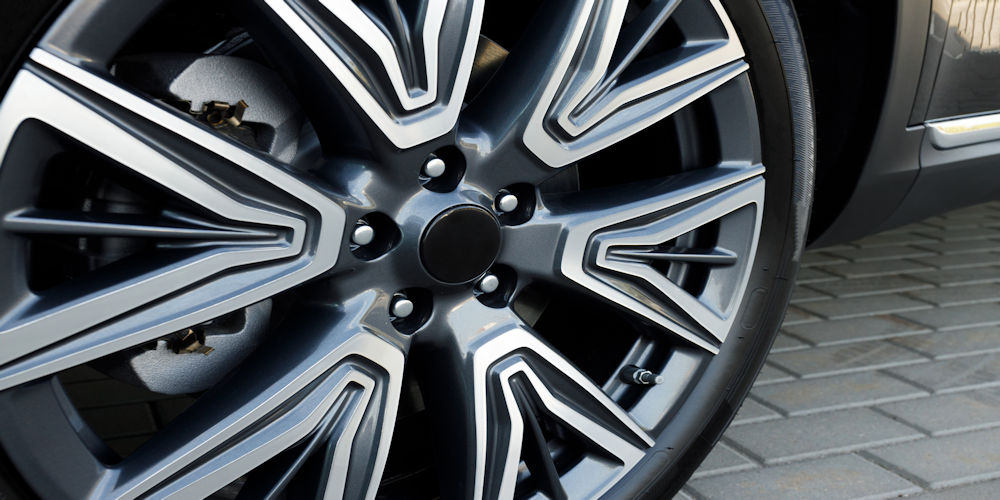
Looking After Your Car’s Alloy Wheels Matters More Than You Think
Most drivers know that alloy wheels make a car look smarter, more modern and better cared for. But what many people overlook is just how important they are to the overall condition, safety and long-term value of the vehicle. Looking after your car’s alloy wheels is not just about vanity or keeping up appearances – it’s a practical, money-saving habit that can protect your investment and help your car hold its value when it comes time to sell or trade in.
Well-maintained alloys can transform the look of even an older car, making it appear cleaner, newer and more desirable. Neglected, kerbed, corroded or badly scratched wheels, on the other hand, instantly drag down the entire appearance of the vehicle, no matter how polished the paintwork is. In a competitive UK used car market, smart alloys can be the difference between a quick, strong sale and buyers trying to knock hundreds off the asking price.
Understanding Alloy Wheels: What They Are and Why They Need Special Care
Alloy wheels are made from a blend of metals, typically aluminium mixed with small amounts of other elements to increase strength and durability. Compared with traditional steel wheels, alloys are lighter, which can improve handling, acceleration and fuel efficiency. They also allow for more intricate, stylish designs that enhance the overall look of the car.
However, the same properties that make alloy wheels attractive also mean they need more careful maintenance. Unlike plain steel wheels with plastic covers, alloys usually have painted, lacquered, polished or diamond-cut finishes that can be damaged by knocks, harsh chemicals or corrosion. Road grit, brake dust and UK winter road salt can slowly eat into the surface, leading to bubbling lacquer, white corrosion spots and dull, tired-looking wheels.
Alloy wheels can also be more vulnerable to impact damage. Their lighter construction, while beneficial for performance, can mean they bend, crack or chip more easily if they hit a deep pothole or kerb at speed. Different finishes – such as gloss painted, matte, diamond-cut or powder-coated – all react differently to damage and cleaning products, which is why they require specific care rather than a quick scrub with whatever car shampoo happens to be handy.
Common Types of Damage: How Everyday Driving Ruins Alloy Wheels
You don’t have to be a careless driver to end up with damaged alloys. Everyday UK driving presents plenty of hazards. Kerbed alloy wheels caused by brushing or scraping against pavements during parking are extremely common, especially in tight city streets and narrow terraced roads. Those light scuffs and scrapes might seem cosmetic at first, but they can expose the metal underneath the paint or lacquer, leaving it open to corrosion.
Scratched and scuffed alloys often come from automatic car washes with stiff brushes, loose stones on country lanes or debris flicked up from the road. Pothole damage – a constant headache on many UK roads – can lead to bent rims, cracks or flat spots, which don’t just look bad but can cause vibrations, uneven tyre wear and even dangerous air leaks.
Brake dust is another silent enemy. The fine particles from your braking system are hot and corrosive; if they’re left sitting on the wheel surface, they can bake on and stain or pit the finish. Add UK road salt and winter grime into the mix and your alloys face a constant assault during the colder months, which is why so many wheels start to look tired and corroded after just a few winters if they’re not regularly cleaned and protected.
Regular Cleaning: How to Safely Clean and Restore the Shine of Your Alloy Wheels
The simplest and most effective step you can take is regular, gentle cleaning. Instead of blasting your alloys with powerful acid-based cleaners or using the same rough sponge you use on the tyres, choose a proper, pH-neutral alloy wheel cleaner designed for UK conditions. These products are formulated to break down brake dust and road grime without stripping away protective coatings or damaging delicate finishes.
Always use a soft wheel brush to get into the spokes and around the nuts, and a clean microfibre cloth to wipe and dry the wheels afterwards. This reduces the risk of scratching the surface with trapped grit. Rinse thoroughly with clean water, paying attention to the inner barrel of the wheel as well as the visible face – brake dust gathers there too.
Avoid harsh chemicals, household cleaners or strong traffic film removers unless you know they are safe for alloy finishes. Over time, these can cloud or dull lacquer, strip waxes and sealants, and leave your wheels more vulnerable to corrosion. Regular, careful cleaning not only keeps your alloys shining, it also gives you a chance to spot early signs of damage before they become more serious and more expensive to fix.
Protection and Prevention: Keeping Your Alloy Wheels Looking New for Longer
Once your alloys are clean, adding a layer of protection makes a big difference. Alloy wheel sealants, waxes and ceramic coatings create a barrier between the metal surface and the elements. A good wheel sealant or ceramic coating for alloys can repel brake dust, water and road grime, making future cleaning quicker and easier and reducing the risk of staining.
In the UK, where winter road salt and wet weather are a constant reality, this kind of protection is particularly valuable. Applying a dedicated wheel protection spray or sealant in autumn, before the worst of the winter roads arrive, helps prevent corrosion and keeps your alloys looking sharper for longer. Think of it as putting a protective raincoat on your wheels.
These protective products form a sacrificial layer that takes the punishment instead of the wheel’s finish. Reapplying them a few times a year – especially after winter – is a small effort that can delay or even prevent the need for costly refurbishment, and it maintains that just-detailed look that makes your car stand out.
Driving Habits: Simple Changes That Dramatically Reduce Alloy Wheel Damage
Your driving style has a huge impact on the condition of your alloy wheels. Simple changes to your habits can dramatically reduce damage. When parking, take an extra moment to judge your distance from the kerb, using your mirrors and, if fitted, parking sensors or cameras. Approach parallel parking slowly and avoid “riding” the kerb; a few extra seconds of care can save you from kerb rash that costs a lot more to put right.
On the move, watch out for potholes and damaged road surfaces. Where it is safe and legal to do so, steer around deep holes or slow down to reduce the impact. Hitting a pothole at speed can bend or crack an alloy, and the damage is not always immediately obvious from the outside.
Maintaining correct tyre pressure is another key factor. Under-inflated tyres offer less protection to your wheels, increasing the risk of damage from bumps and kerbs. Over-inflated tyres can also make impacts harsher. Checking and adjusting tyre pressures regularly – particularly with temperature changes and before long journeys – is a simple step that helps protect your wheels as well as improving fuel economy and safety.
DIY Touch-Ups vs Professional Refurbishment: Fixing Scratches, Scuffs and Kerb Rash
When damage does occur, you generally have two options: DIY touch-ups or professional refurbishment. For small chips and light scuffs, a DIY alloy wheel repair kit can be a cost-effective way to improve the appearance. These kits, widely available in the UK, usually include filler, sandpaper and paint matched as closely as possible to standard alloy finishes. Used carefully and patiently, they can make minor marks far less noticeable.
However, DIY fixes have their limits. If your alloys are heavily kerbed, badly scratched, cracked, buckled or suffering from widespread corrosion, it is usually worth turning to a professional alloy refurbishment specialist. Professional services can strip the wheel, repair damage properly and refinish it using methods such as powder coating or diamond cutting, restoring a factory-fresh look and, in many cases, strengthening the wheel.
Mobile alloy wheel repair services operating across the UK can often come to your home or workplace, making it more convenient than you might expect. While the upfront cost may be higher than a DIY kit, proper refurbishment often lasts longer, looks better and can add far more value when selling or part-exchanging your car.
Seasonal Care: Looking After Your Car’s Alloy Wheels Through UK Winters and Wet Weather
UK winters are particularly hard on alloy wheels. Road salt, grit and constant wet conditions create the perfect breeding ground for corrosion. To combat this, adopt a seasonal care routine. In winter, wash your alloys more frequently, ideally with warm water and a pH-neutral cleaner, to remove salt and grime before they have time to attack the finish.
A quick visual check during these washes helps you spot chips in the lacquer or paint where corrosion might start. If you use winter tyres on separate wheels, consider fitting them to a more basic set of alloys or steel wheels, keeping your best alloys away from the worst of the winter conditions.
As spring approaches, a thorough clean, decontamination and fresh application of wheel wax or sealant will help reverse some of winter’s effects and prepare your wheels for the rest of the year. Consistent seasonal attention keeps corrosion at bay and maintains a sharp, cared-for appearance.
Choosing the Right Products and Services: What to Look For in the UK Market
The UK market offers a huge range of alloy wheel cleaners, brushes, sealants and detailing products, so it pays to choose carefully. Look for pH-neutral wheel cleaners that specifically state they are safe for lacquered, painted and diamond-cut alloys. A good wheel brush set with soft, flexible bristles will help you reach all areas without scratching, and quality microfibre cloths are invaluable for drying and buffing.
When it comes to protection, opt for reputable alloy wheel sealants, waxes or ceramic coatings from known detailing brands rather than untested bargain products. Reviews, detailing forums and independent tests can help you identify products that genuinely work in UK conditions.
If you need repair or refurbishment, take time to choose a trusted alloy wheel specialist. Check reviews, before-and-after photos and whether they offer guarantees on their work. Ask about the methods they use, such as powder coating or diamond cutting, and get a clear, written quote. Comparing alloy repair costs across a few local providers will give you a sense of fair pricing and help you find a balance between cost and quality.
Cost vs Value: How Looking After Your Car’s Alloy Wheels Protects Your Car’s Resale Price
It can be tempting to ignore scuffed or corroded alloys, especially if the car still drives perfectly well. However, from a financial perspective, that’s often a false economy. In the UK used car market, buyers and dealers pay close attention to wheels. Visibly damaged alloys are an easy excuse to reduce their offer, and the amount they knock off is often more than it would have cost you to put them right beforehand.
Regular alloy maintenance – cleaning, protecting and fixing minor damage promptly – spreads the cost over time instead of facing a large bill just before sale. Refurbishing a full set of alloys is usually far cheaper than buying new wheels, and smart, fresh-looking alloys can help your car stand out in listings and justify a higher asking price.
In other words, looking after your alloys is not just about pride in your car’s appearance. It is simple, sensible asset protection: a relatively small, manageable expense that helps preserve the overall value of your vehicle and can ultimately save you money.
Start Looking After Your Car’s Alloy Wheels Today for a Smarter, Sharper-Looking Drive
Developing a straightforward alloy wheel care routine is one of the easiest ways to keep your car looking sharp and well maintained. Commit to regular cleaning with the right products, apply protective sealants a few times a year, adjust your driving habits to avoid kerbs and potholes where possible, and deal with damage sooner rather than later.
These simple steps will keep your alloys looking close to new for longer, improve the overall appearance of your car and protect your investment. Rather than waiting until the wheels look tired and the damage is obvious, take action now. A basic, regular wheel care checklist – clean, inspect, protect and, when needed, repair – will pay you back in pride of ownership every time you look at your car, and in hard cash when the time comes to sell.