




Injury Diagnosis and Rehabilitation Services
Having a grasp on injury diagnosis is essential for those seeking efficient treatment, especially in the field of sports. The services focused on injury diagnoses play a vital role in this matter, as they conduct a thorough physical evaluation to establish the basis for healing.
When assessing an injury, skilled experts employ multiple techniques including X-rays and MRIs to precisely determine the type and severity of the injury. This comprehensive process ensures all aspects are thoroughly examined, resulting in accurate understanding of the underlying problems.
Athletes and active individuals alike require precise sports injury diagnosis to not only alleviate immediate pain, but also establish effective rehabilitation plans for the future. By embracing these advanced diagnostic services, patients can initiate personalised treatment strategies that cater to their unique requirements and aid in a faster recovery to their preferred activities.
Prioritising accurate injury diagnosis ultimately empowers individuals to regain trust in their bodies and pursue their passions with confidence.
Customised Rehabilitation Services
Customised rehabilitation services play a crucial role in achieving optimal recovery. Personalized programmes are vital for individuals who are recuperating from injuries since they consider their individual needs, circumstances, and objectives. One-size-fits-all plans often miss the mark, neglecting to tackle the specific obstacles each person must overcome.
By incorporating a variety of physiotherapy treatments into these personalized recovery strategies, a targeted approach to healing can be achieved. From strength training and mobility exercises to pain management techniques, every aspect of the patient’s recovery is taken into account in this customized plan. Collaborating closely with knowledgeable healthcare professionals who are well-versed in post-injury recovery plans can result in considerable progress in the healing journey for patients.
In the end, choosing to invest in customised rehabilitation services not only improves physical recovery, but also nurtures mental wellness by instilling self-assurance and drive in individuals as they work towards complete healing. Highlighting this individualised approach is vital for those striving for optimal results after an injury.
Diagnosing and Rehabilitating Injuries
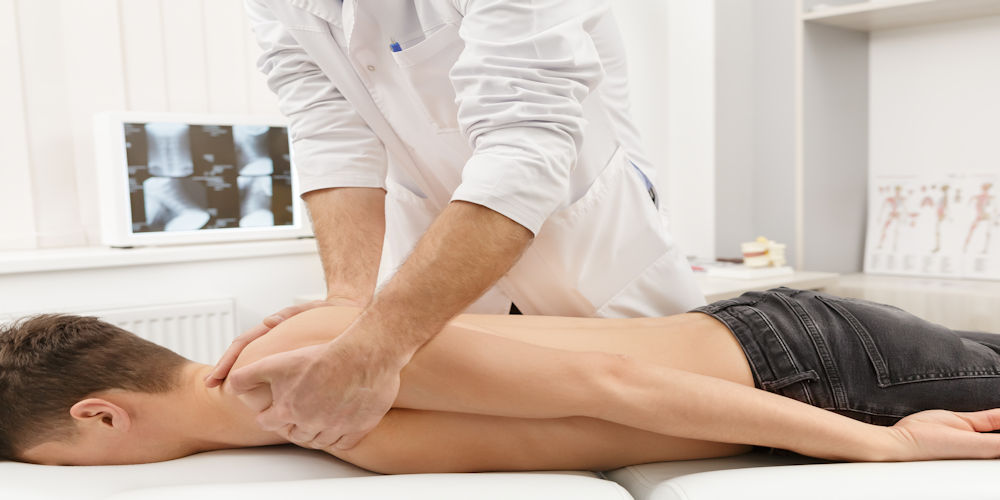
The process of diagnosing and rehabilitating injuries involves a range of techniques that are customized to meet each person’s specific needs. One particularly effective method is manual therapy, where skilled manipulation is used to reduce discomfort and improve mobility. By targeting limitations in soft tissues and joints, these techniques greatly contribute to the recovery process.
In addition to its importance in recovery, exercise therapy also plays a crucial role in promoting overall function by strengthening the affected area. By tailoring specific exercise programs, one not only aids in recovery but also promotes resilience in the musculoskeletal system to prevent future injuries.
Injury rehabilitation also makes use of ultrasound therapy, a beneficial approach that utilizes sound waves to enhance cellular healing and hasten tissue repair by reducing inflammation. Furthermore, electrotherapy methods like TENS (Transcutaneous Electrical Nerve Stimulation) not only alleviate pain but also promote muscle function.
Ultimately, incorporating functional training exercises is crucial in preparing individuals to resume their daily activities or sports. These types of exercises simulate natural movements and aid in restoring the strength, flexibility, and coordination needed for their unique lifestyle requirements.
By incorporating these commonly used methods into injury diagnosis and rehabilitation procedures, professionals can provide thorough treatment that not only targets present issues but also establishes a basis for ongoing well-being.
Selecting the appropriate injury diagnosis and rehabilitation specialist is vital to your journey towards recovery. Begin your search by looking for a nearby “injury rehabilitation clinic” to discover convenient and accessible options in your area.
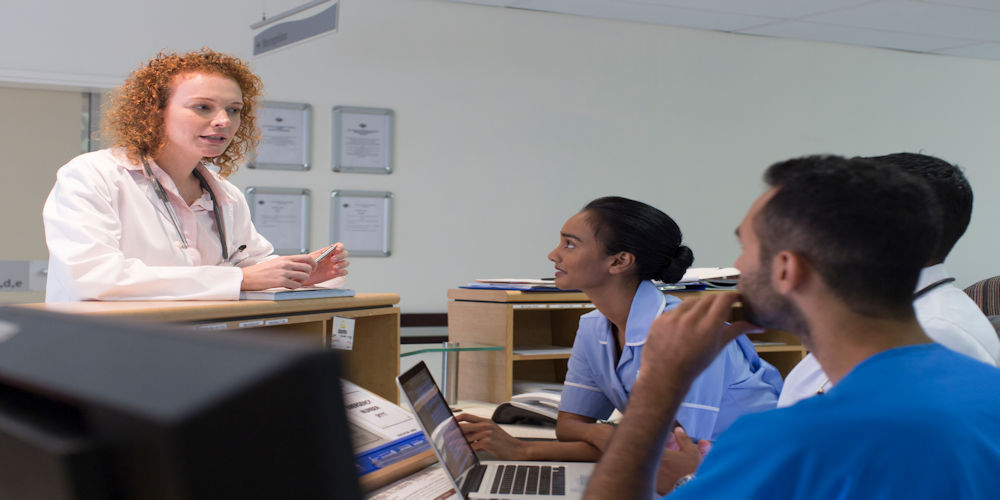
Next, it’s crucial to evaluate the qualifications of the therapists at each clinic. Consider providers who possess relevant degrees, certifications in physical therapy or sports medicine, and specialised training in injury rehabilitation.
The importance of patient reviews should not be underestimated when considering rehabilitation services. These testimonials offer valuable information regarding treatment effectiveness and the overall patient experience. Keep in mind that a clinic with consistently positive feedback from past patients is likely to provide top-notch care that meets your specific needs.
By following these measures, which involve emphasising trained therapists and evaluating patient feedback, you can choose a provider with certainty who will assist you in your journey towards healing. This guarantees that you receive tailored care that addresses your individual needs.